Get Blown In Insulation Service
Blown In Insulation Service helps property owners improve energy efficiency and comfort by providing expert installation of loose-fill insulation in attics and walls through trusted local contractors.
Blown-In Insulation Services can be an effective way for property owners to improve energy efficiency and comfort within their buildings. Whether upgrading existing insulation or adding new coverage to unfinished spaces, this method offers a practical solution for maintaining consistent indoor temperatures and reducing energy waste. Property owners in the area who are planning renovations or seeking to enhance their property's performance may find this service particularly beneficial as part of their overall project considerations.
When exploring options for insulation work, it’s helpful to compare local contractors who specialize in blown-in insulation services. These experienced service providers can assess specific needs, recommend suitable solutions, and ensure the work aligns with the property's requirements. Continuing to read can provide valuable insights into how these local professionals can support property owners in making informed decisions for their insulation projects.
- Attic Insulation - homeowners may need this service to improve energy efficiency and reduce heating and cooling costs.
- Wall Insulation - this work is often required when upgrading or renovating interior walls for better temperature regulation.
- Attic Blown-In Insulation - property owners might seek this service to fill gaps and enhance insulation in hard-to-reach attic spaces.
- Basement Insulation - individuals may look for blown-in insulation to prevent drafts and moisture issues in basement areas.
- Soundproofing Insulation - those seeking to reduce noise transfer between rooms or from external sources may contact local contractors for blown-in solutions.
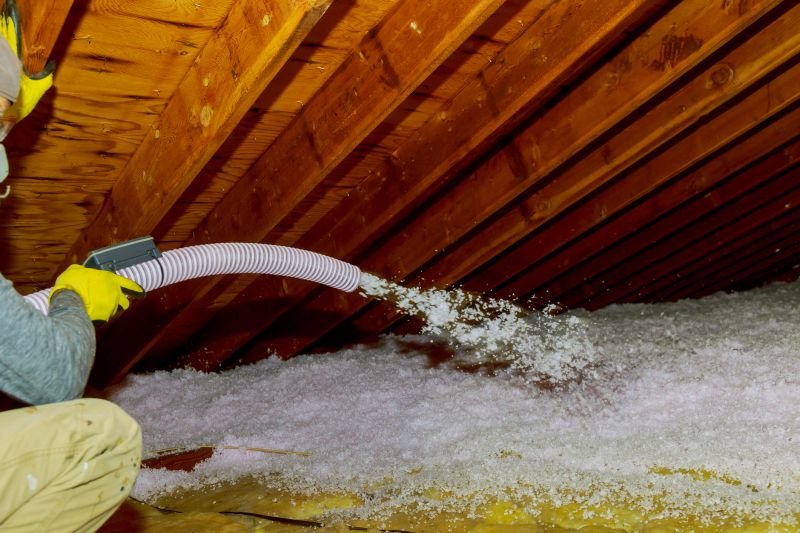
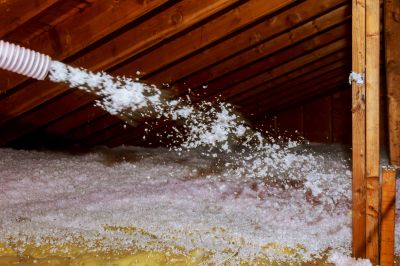
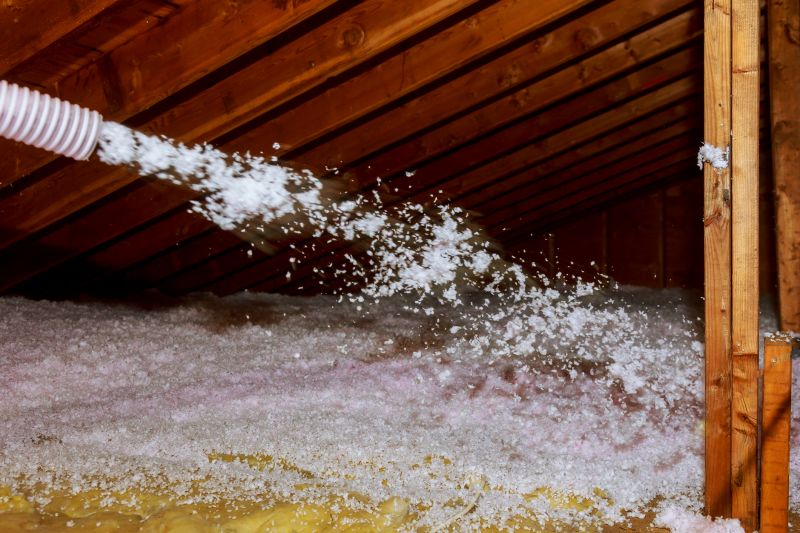
Blown-in insulation services involve the process of installing loose, fibrous insulation material into existing walls, attics, and other spaces to improve a building’s energy efficiency. This method typically uses specialized equipment to evenly distribute insulation material, such as cellulose or fiberglass, into hard-to-reach areas. The installation is designed to fill gaps, voids, and areas where insulation may have settled or deteriorated over time, helping to create a more consistent barrier against heat transfer. Homeowners often choose blown-in insulation to retrofit older properties or to upgrade current insulation levels without extensive demolition or construction work.
This service is especially effective in addressing common problems related to energy loss and uneven temperature control within a property. When a home experiences drafty rooms, high heating or cooling costs, or uneven temperatures between different areas, blown-in insulation can help. It also helps reduce noise transmission between rooms and from outside sources. By sealing gaps and filling cavities, blown-in insulation minimizes air leaks that can compromise comfort and increase utility bills, making it a practical solution for homeowners seeking to improve overall indoor climate stability.
Properties that typically benefit from blown-in insulation include attics, wall cavities, and other enclosed spaces in both residential and multi-family buildings. Older homes with minimal or outdated insulation are prime candidates, as upgrading can lead to noticeable improvements in energy efficiency. Newer constructions may also utilize this service during renovation projects or when additional insulation is needed to meet specific comfort goals. It is suitable for a variety of property sizes and types, from single-family houses to larger multi-unit buildings, where effective thermal management is a priority.
Local contractors offering blown-in insulation services are equipped to evaluate a property’s specific needs and recommend the best approach. They can identify areas where insulation gaps exist and determine the appropriate type and amount of material to use. This service is a practical choice for homeowners looking to enhance comfort, reduce energy costs, or improve the overall efficiency of their property. Contacting experienced local service providers can help ensure the installation is performed correctly, resulting in a more comfortable and energy-efficient home.
The overview below groups typical Blown In Insulation Service projects into broad ranges so you can see how smaller, mid-sized, and larger jobs often compare in your area.
In many markets, a large share of routine jobs stays in the lower and middle ranges, while only a smaller percentage of projects moves into the highest bands when the work is more complex or site conditions are harder than average.
Smaller Repairs - For minor insulation fixes or adding insulation to small areas, local contractors typically charge between $250 and $600. Many routine jobs fall within this range, making it a common choice for homeowners seeking affordable solutions.
Partial Insulation Replacement - When replacing or upgrading insulation in specific sections of a home, costs usually range from $1,000 to $2,500. Larger projects that involve multiple areas tend to push into the higher end of this spectrum.
Full Attic Insulation Installation - Complete attic insulation services generally cost between $1,500 and $3,500, depending on the size of the space and material choices. Most typical projects are priced within this range, with fewer reaching higher prices for larger or more complex jobs.
Whole-House Insulation Overhaul - For extensive insulation upgrades across an entire home, costs can range from $4,000 to $8,000 or more. Larger, more intricate projects are less common but may exceed this range based on specific home requirements.
Actual totals will depend on details like access to the work area, the scope of the project, and the materials selected, so use these as general starting points rather than exact figures.
Attic Insulation Installation - local contractors skilled in attic insulation can apply blown-in techniques to improve energy efficiency and thermal performance.
Cavity Wall Insulation - professionals experienced in cavity wall insulation use similar blowing equipment and planning to enhance wall thermal insulation.
Attic Air Sealing - air sealing services often complement insulation projects, requiring knowledge of building envelopes and insulation materials.
Basement Insulation - insulating basement walls with blown-in materials involves similar planning and application methods as attic insulation.
Soundproofing Insulation - soundproofing projects utilize blown-in insulation techniques to reduce noise transmission between rooms or floors.
Roof Ventilation Improvements - contractors may combine ventilation upgrades with insulation work to optimize attic airflow and energy efficiency.
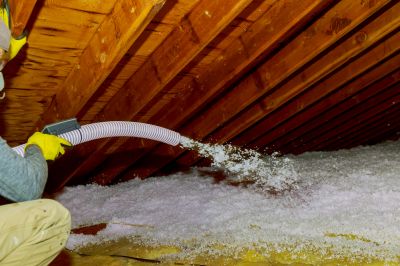
When evaluating local contractors for blown-in insulation services, it’s important to consider their experience with similar projects. Homeowners should look for service providers who have a proven track record in installing insulation in homes comparable to their own, whether that involves attics, walls, or other spaces. An experienced contractor is more likely to understand the nuances of different insulation materials and installation techniques, which can help ensure the job is completed effectively and efficiently.
Clear, written expectations are essential to a successful project. Homeowners should seek service providers who can provide detailed descriptions of the work scope, materials used, and any preparations needed before installation. Having these expectations documented helps prevent misunderstandings and allows for better communication throughout the process. It’s also beneficial to ask for reputable references or reviews from past clients to confirm that the contractor consistently delivers quality work and maintains professionalism.
Good communication is a key factor when choosing local service providers. Homeowners should prioritize contractors who are responsive, transparent, and willing to answer questions thoroughly. Open lines of communication can help clarify project details, address concerns promptly, and foster a collaborative working relationship. Keep in mind that this site serves as a resource to introduce homeowners to local pros who are capable of handling blown-in insulation projects; it does not perform the work itself. Comparing options based on experience, clarity of expectations, references, and communication can help ensure a smooth and satisfactory insulation upgrade.
Property owners use Blown In Insulation Service services for practical projects around their homes and businesses. This guide focuses on everyday jobs and straightforward project options.
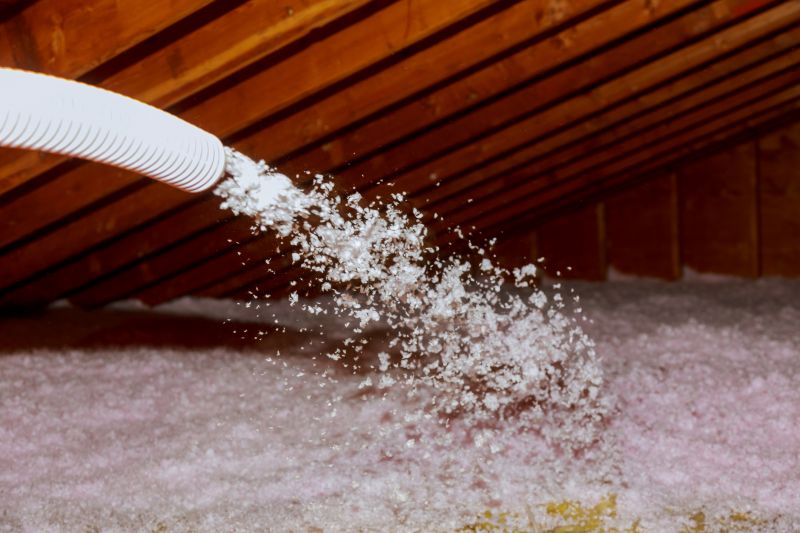
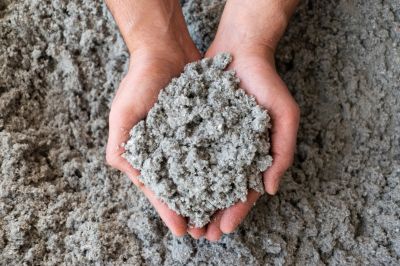
Blown-in insulation services are commonly sought after by property owners looking to improve energy efficiency in their homes or commercial buildings. Whether it's to address uneven insulation levels, fill gaps in existing insulation, or upgrade outdated materials, local contractors can provide effective solutions for maintaining comfortable indoor temperatures and reducing energy costs. These projects often arise during home renovations, seasonal weather changes, or when noticing drafts and uneven heating or cooling throughout a property.
Many property owners turn to local service providers for blown-in insulation when preparing a building for resale or simply aiming to enhance overall comfort. Insulation needs can also emerge after discovering pest damage, settling foundations, or as part of routine upgrades to meet building standards. Professional contractors can assess specific insulation requirements and deliver tailored work that helps preserve the integrity and efficiency of a property’s structure.
What is blown-in insulation? Blown-in insulation is a type of insulation material that is installed by blowing loose fibers into wall cavities, attics, or other spaces to improve energy efficiency and reduce air leaks.
How does blown-in insulation improve energy efficiency? It helps to seal gaps and reduce heat transfer, which can lower heating and cooling costs by maintaining consistent indoor temperatures.
What areas are suitable for blown-in insulation? Attics, wall cavities, and other hard-to-reach spaces are common areas where blown-in insulation can be effectively installed by local service providers.
Can blown-in insulation be added to existing insulation? Yes, it can be installed over existing insulation to boost overall thermal performance, provided the current insulation is in good condition.
How do local contractors determine the right type of blown-in insulation? They assess the space, insulation needs, and building structure to recommend the most suitable blown-in insulation material and installation method.
Improve attic insulation - Blown-in insulation can be added to existing attics to enhance energy efficiency and reduce heating and cooling costs.
Seal drafty walls and floors - This service helps fill gaps and voids in walls and floors, making indoor spaces more comfortable.
Upgrade basement insulation - Blown-in insulation can be used to improve basement walls, preventing heat loss and moisture issues.
Insulate hard-to-reach areas - Service providers can install insulation in tight spaces or irregularly shaped areas that are difficult to access with traditional methods.
If you are thinking about Blown In Insulation Service for a property, this guide is meant to help you understand the work, the typical project types, and how different options might fit your plans.
When you are ready, you can use the quote form on this page to share a few details about your project. From there, local pros can review the basics and respond with options that match what you have in mind.